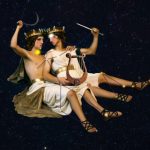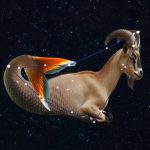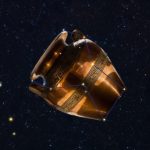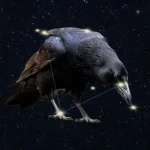
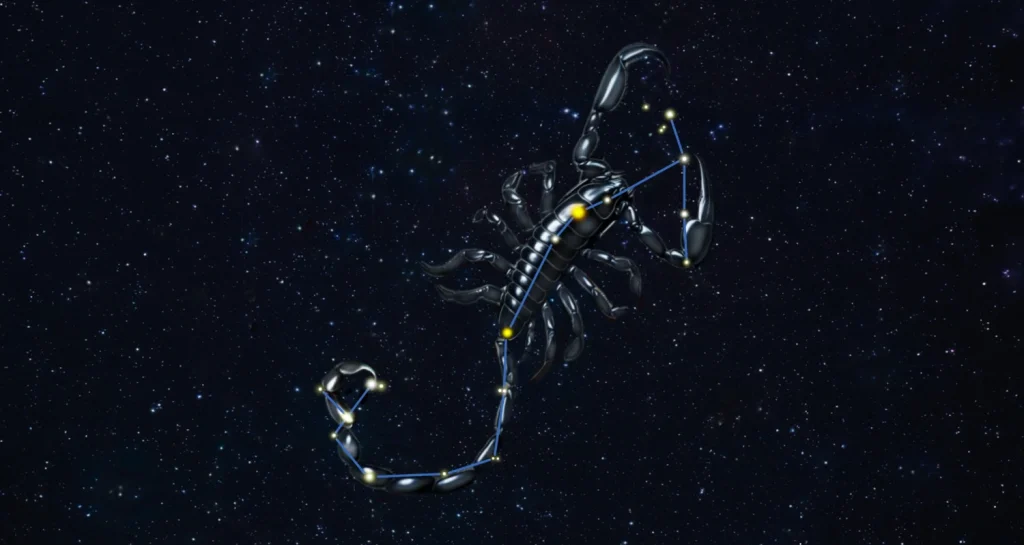
Introduction to SCORPIUS
Key takeaways
- Scorpius is a large, bright southern zodiacal constellation near the galactic center.
- It is one of Ptolemy’s original 48 constellations.
- It represents a monstrous scorpion that killed Orion.
- It contains four Messier objects, two globular, and two open, star clusters.
- The brightest star’s name is Antares.
Beginner’s map of SCORPIUS
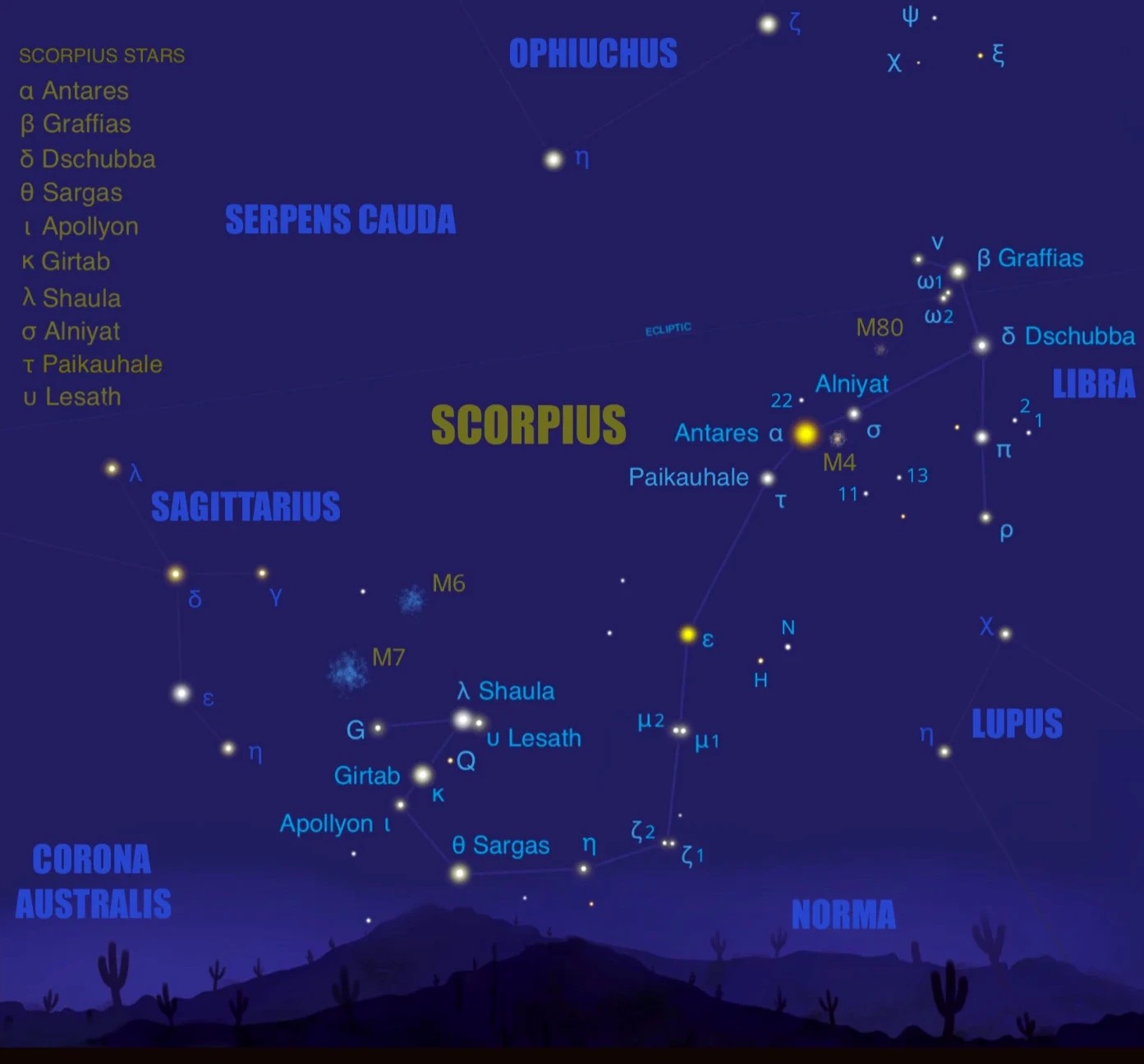
Around the vernal equinox in March, halfway between the frigid nights of the Orionid meteors and the dog days of summer, wildflowers bloom across the land, and the first swallows adorn the bright skies. However, while March brings such delightful scenes here on Earth, a very different story has already begun silently unfolding at dawn, far beyond the southeastern horizon, in the southern sky.
Low in the sky and in the backdrop of the violent center of the Milky Way, a slew of celestial monsters rise and barely reach the meridian before the rising sun washes them away. Mythological monsters like the constellations Lupus (the wolf), Serpens (the snake), and the deadly Scorpius. The last is responsible for at least two deaths and almost indirectly destroyed our planet when a panicked Phaethon lost control of the Chariot of Helios and set the Earth ablaze.
THE MYTH OF SCORPIUS
Myth at a glance
The constellation Scorpius represents the mythological scorpion that Gaia (the Earth) sent to kill the mythical Hunter Orion. The gods Artemis and Apollo play a key role in the myth. Orion is either killed by Scorpius or, in another version of the myth, by Artemis.
The myth of Scorpius is inexorably linked with the tales of Orion, the hunter, and the gods Artemis and her brother Apollo. Orion was a famous hunter, the son of Poseidon and Euryale. Once, while visiting the island of Chios in the east Aegean Sea, he fell in love with Merope, daughter of King Oenopion. Oenopion was reluctant to give Merope to him, and one day, Orion, losing his patience, got drunk, broke into her bedroom, and forced her to lie with him.
With the help of Dionysus, Oenopion blinded Orion and flung him on the seashore. Orion learned of an oracle that gave him hope. According to the oracle, Orion could regain his eyesight if he visited the extreme east of the ancient world and turned his face toward the rising Helios (the sun god). Armed with hope, Orion found a small boat and reached a nearby island, Lemnos—the island of Hephaestus.
At Lemnos, he met Hephaestus and got the help of an apprentice of Hephaestus, Cedalion. The giant hunter carried him off on his shoulders, and Cedalion guided him to the eastern end of the known world. Helios fully restored his sight there, and his sister, Eos (Dawn), fell in love with Orion. Together, they visited Apollo’s sacred island, Delos.
Athena wounded Hephaestus and fled, having inadvertently fertilized Gaia (Earth.)
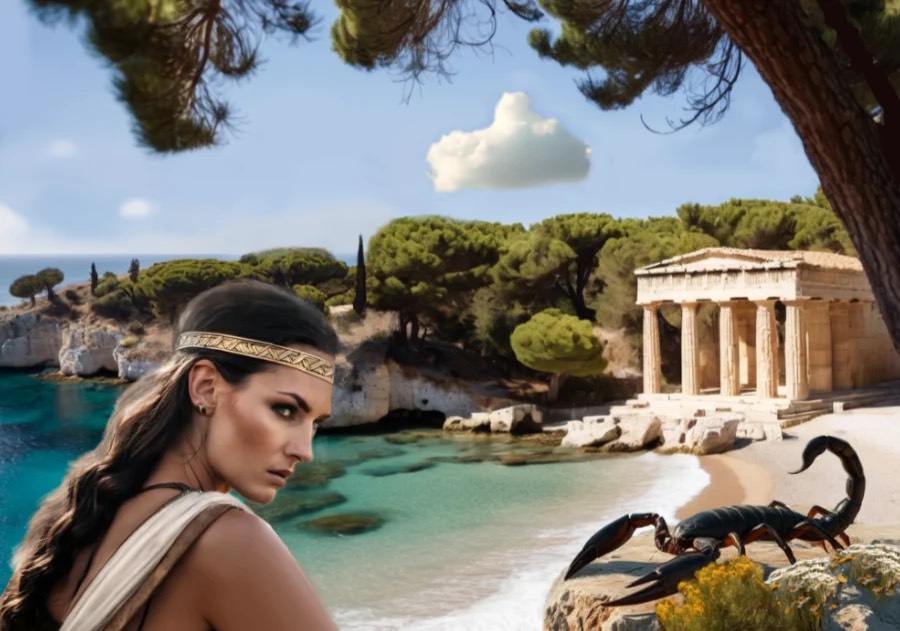
Athena accepted the son of Hephaestus and Gaia and named him Erichthonius.
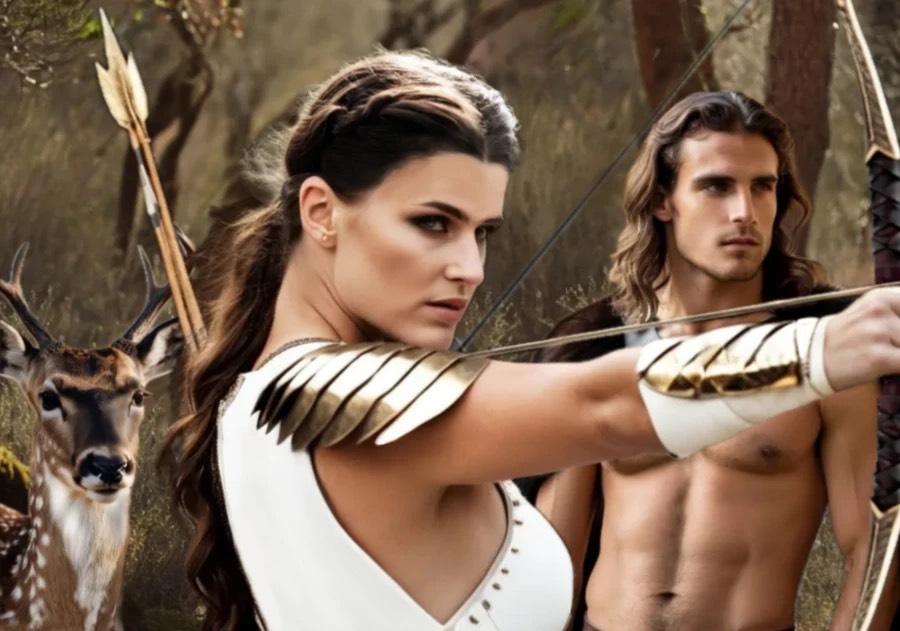
Seeking revenge, Orion searched in vain for Oenopion and sailed to the island of Crete, where he believed Oenopion could hide. In Crete, he met Artemis, one of the Olympian gods and Apollo’s sister, who shared his love for the chase. Soon, Orion had completely forgotten Oenopion and spent his days happily hunting with Artemis.
However, those happy days would prove to be ephemeral. Apollo knew that Orion and Eos had a love affair on his sacred island, Delos. The daily blushing of Eos is still proof of that to this day. As if that were not enough to anger the gods, Orion often boasted that he could kill every wild beast and monster that roamed Gaia (the Earth).
The result of those insults was that Earth sent a monstrous scorpion to kill Orion. There are two main versions of what transpired. In the first, the scorpion attacked Orion, and a fierce fight ensued. Orion first tried using his arrows to no avail. Then he resorted to his sword but found the scorpion’s armor impenetrable. Facing certain death, Orion fled the battle scene, dove into the Aegean Sea, and swam away toward Delos.
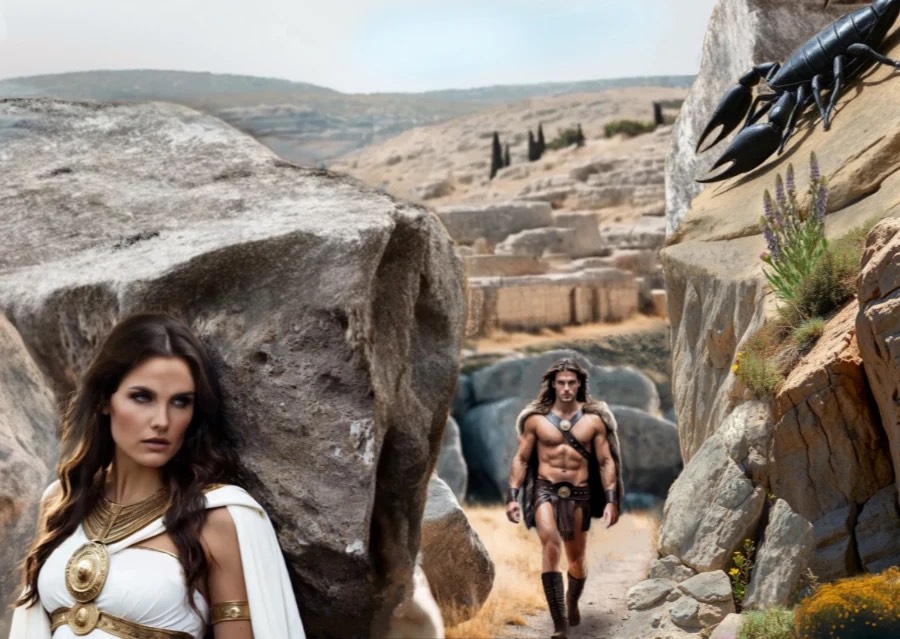
Athena wounded Hephaestus and fled, having inadvertently fertilized Gaia (Earth.)
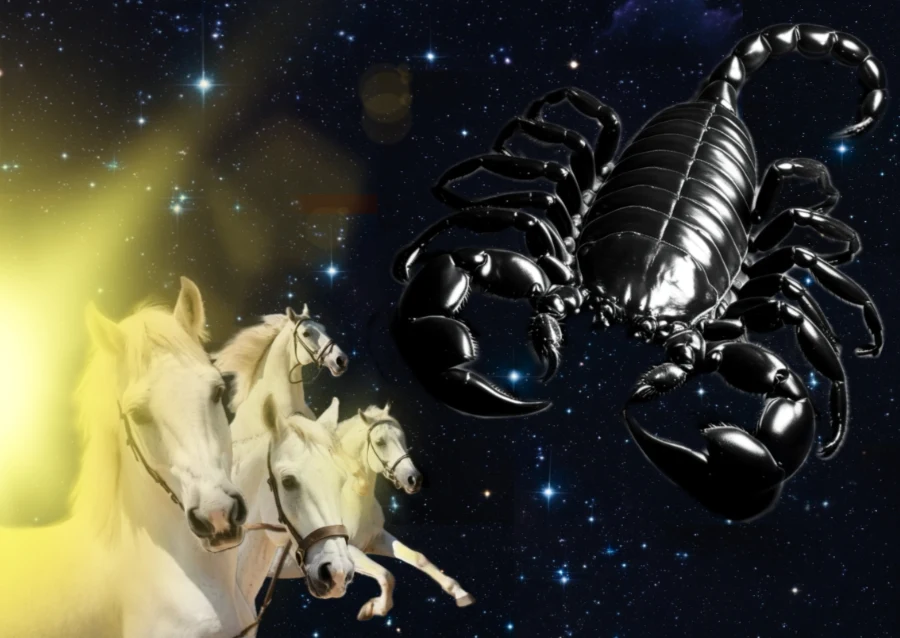
Athena accepted the son of Hephaestus and Gaia and named him Erichthonius.
Apollo took advantage of that chance and challenged Artemis to hit with an arrow a speck visible in the distance. She accepted the challenge without knowing that this spec in the sea was the barely visible head of Orion. She aimed and, sure enough, hit the target, killing Orion.
However, in the second version of the myth, Scorpio plays a fatal role, as it not only fights but also stings Orion to death. For this reason, they are never both visible, as they were placed in opposite parts of the sky.